Who Leases Small Bay and Flex Space?
Who leases small bay industrial and flex space: trade contractors, distributors, light manufacturing, e-commerce, and newer experiential tenants.
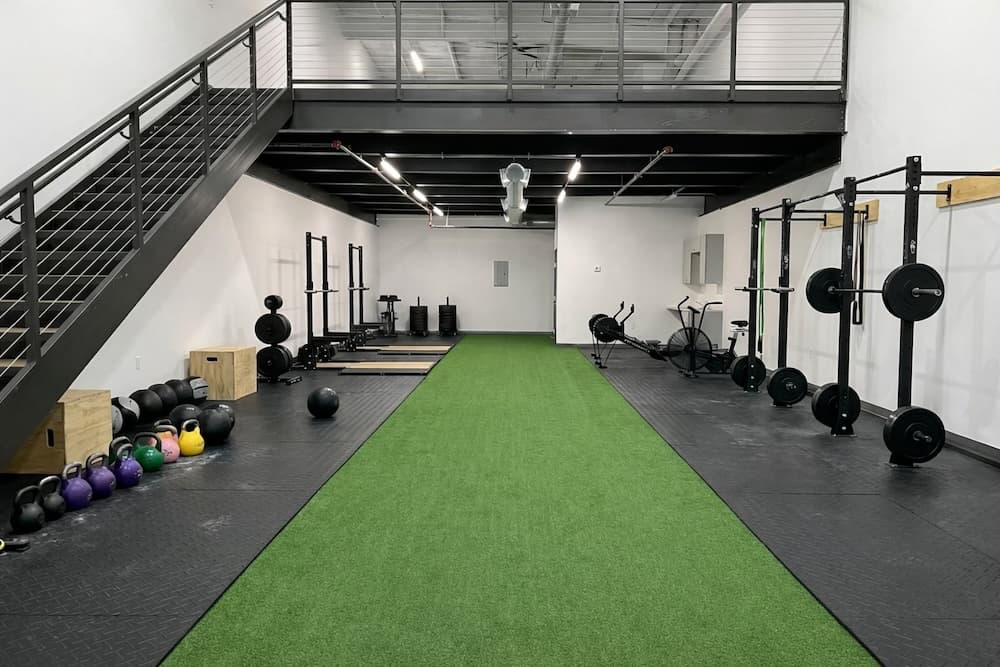
TL;DR: Small bay tenant mix is shifting. The traditional contractors, distributors, and light manufacturers remain strong. But experiential businesses like fitness studios, wellness concepts, and auto detailers are increasingly competing for the same space.
The Traditional Tenant Base
These tenants built the small bay industrial asset class and still drive most demand.
Trade Contractors
HVAC, plumbing, electrical, roofing, general contractors: the classic trade contractor base. They need a contractor garage for equipment storage, vehicle parking, and a small office for dispatch and admin. Roll-up doors are non-negotiable.
Distributors & Wholesalers
Regional distributors, building material suppliers, janitorial supply companies. They need warehouse space for inventory, a small showroom or will-call counter, and easy truck access.
Light Manufacturing
Custom fabricators, machine shops, food production, assembly operations. They need power, ventilation, and room to work.
E-Commerce & Fulfillment
Last-mile operators, Amazon aggregators, small e-commerce brands. They need packing stations, inventory storage, and shipping access.
Builder Showrooms
Cabinet makers, flooring distributors, countertop fabricators, tile showrooms. They need display space up front and warehouse in back: classic flex space configuration. Builders and homeowners visit to see samples, then product ships from the back.
The New Tenant Mix
Experiential and wellness businesses are discovering what contractors figured out years ago: flex space offers square footage at a fraction of retail rent.
Fitness & Athletics
CrossFit boxes, functional fitness gyms, boxing studios, martial arts academies. They need 500–5,000+ SF, high ceilings, durable floors, and forgiving neighbors. Youth sports training facilities and batting cages fit here too.
Golf simulator lounges are a growing category. Some run membership models with 24/7 access. Others sell hourly rentals with food and drinks. Both work in flex units with the right build-out.
Wellness & Recovery
Cold plunge and sauna studios are expanding rapidly. Franchises like SweatHouz and Perspire Sauna Studio are scaling this model nationally. They need water, drainage, electrical capacity, and climate control, but the footprint is compact.
Cryotherapy centers, IV therapy clinics, and float tank studios round out the recovery category. Lower build-out costs than traditional retail and a customer base that doesn't mind the industrial setting.
Automotive Services
Auto detailing, ceramic coating, and paint protection film (PPF) installation. These businesses are moving from mobile operations to fixed locations. They need bay doors, drainage, and good lighting. Some combine detailing with classic car storage, a natural fit for flex space.
Personal Services
Barbershops and hair salons with industrial-chic aesthetics: exposed brick, metal fixtures, warehouse vibes. The look is intentional, and the rent savings are real.
Tattoo studios, photography studios, and content creator spaces. They want the aesthetic without the retail price tag.
Entertainment & Social
Axe throwing venues, escape rooms, private event spaces, pickleball clubs. These businesses need square footage, parking, and flexible build-out. Flex industrial delivers all three at lower cost than retail.
Why Small Bay Works for Non-Traditional Tenants
The appeal is straightforward:
- Lower rent: Flex space runs $12–20/SF vs. $25–40/SF for retail in many markets
- Flexible build-out: Landlords are often more accommodating on TI than retail centers
- Parking: Higher ratios than typical retail, which matters for customer-facing businesses
- Aesthetic appeal: Industrial-chic is a legitimate design trend, not a compromise
- Fewer restrictions: No co-tenancy clauses or exclusive use conflicts
What Landlords Should Know
Non-traditional tenants bring considerations traditional industrial doesn't:
Zoning
Some industrial zones don't permit fitness or personal service uses by right. Tenants may need Conditional Use Permits, which can take 30–45+ days. Some landlords won't wait. Others see it as an opportunity to lock in longer lease terms.
Parking
Fitness studios and customer-facing businesses generate more traffic than traditional industrial. Make sure your parking ratio supports the use, and that neighbors won't complain.
Noise
CrossFit boxes dropping weights, music from fitness classes, late-night golf simulator sessions. Noise complaints are the #1 lease issue for fitness tenants. Consider unit placement and soundproofing requirements.
Lease Structure
These tenants often come from retail or residential backgrounds. They may not understand NNN leases or CAM reconciliation. Simpler structures like modified gross can reduce friction. See Gross, Modified Gross, or NNN for how to choose. Affordability against revenue is easier to see in occupancy cost and tenant underwriting.
Tenant Examples by Category
The list below is not exhaustive. The sky is the limit: flex space works for businesses and individuals with all kinds of needs.
Trade & Service Contractors
- HVAC technicians
- Plumbing companies
- Electricians
- Pest control
- Alarm system companies
- Garage floor coating companies
- Lawncare repair and maintenance
- Swimming pool companies
Automotive & Vehicles
- Auto detailing and ceramic coating
- Paint protection film (PPF) installation
- Airstream and RV restoration
- Car enthusiasts and collectors
- Classic car storage
Fitness & Sports
- CrossFit and functional fitness
- Boxing gyms
- Martial arts studios
- Sports training facilities
- Golf simulator lounges
- Batting cages
- Pickleball clubs
- Youth sports training
- Athletic supply companies
Wellness & Recovery
- Cold plunge and sauna studios
- Cryotherapy centers
- IV therapy clinics
- Float tank studios
Creative & Media
- Artists and art studios
- Podcast studios
- Photography studios
- Content creator spaces
Food & Beverage
- Commercial kitchens and chefs
- Food and beverage production
- Catering operations
Retail & E-Commerce
- E-commerce fulfillment
- Last-mile delivery operators
- T-shirt and apparel companies
- Bridal boutiques
- Staging companies
Manufacturing & Fabrication
- Custom furniture and cabinet building
- Machine shops
- Assembly operations
Professional Services
- Computer and IT services
- Event planning companies
Entertainment & Social
- Axe throwing venues
- Escape rooms
- Private event spaces
Personal Services
- Barbershops and hair salons
- Tattoo studios
The Bottom Line
Small bay tenant mix is diversifying. The traditional base isn't going anywhere. Contractors and distributors still drive core demand. But experiential businesses are competing for the same units, often willing to pay premium rents for the right space.
For landlords, this means more options when filling vacancies. For tenants, it means more competition for quality flex space. Branding and listing strategy matter more when the tenant pool is this mixed. See branding your portfolio and where to list.
The asset class is evolving. The fundamentals (location, functionality, and flexibility) still matter most.