Branding Your Small Bay Portfolio
How to brand a small bay industrial portfolio: mission, target tenants, signage, property standards, and digital presence for contractor and flex parks.
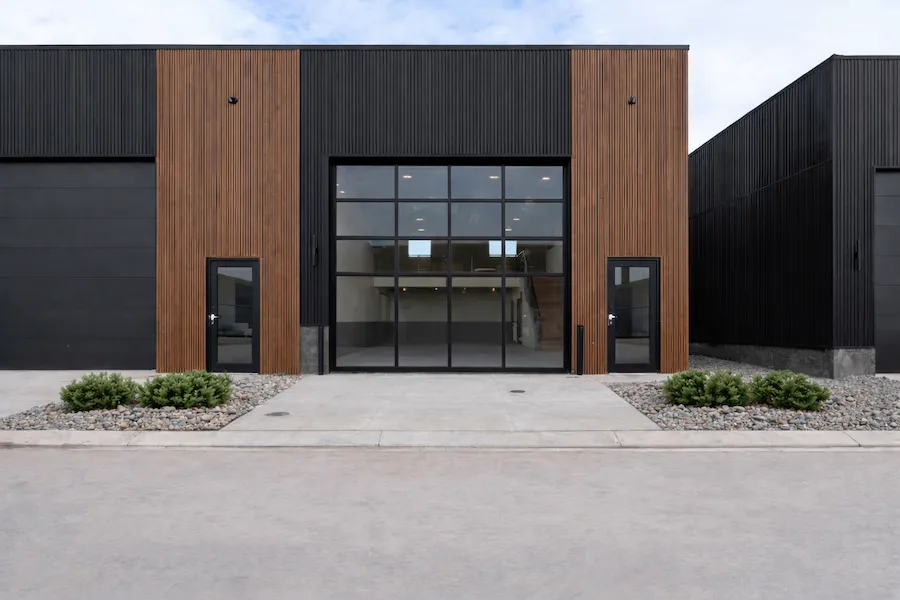
TL;DR: A small bay brand isn't just your logo or signage. It's every touchpoint a tenant experiences. Define your mission, identify your target tenant, and build consistency across your signage, property, website, and tenant interactions. Several operators are already building recognizable small bay brands. You should too.
What Is a Brand, Really?
Your brand is the feeling contractors and business owners get when they drive past your property, visit your website, or talk to your property manager. It's not just visual identity. It's your company story unfolding across every interaction.
In small bay, those touchpoints include:
- Your property's curb appeal and signage
- The condition of your units, doors, and common areas
- Your website and leasing process
- How you handle maintenance requests
- The tenants you attract (and reject)
A strong brand is the difference between a 95% occupied park commanding $14/SF and a struggling property at $10/SF with constant turnover.
Why Branding Matters More in Small Bay
Unlike big-box industrial where tenants are sophisticated logistics teams, small bay tenants are often owner-operators making decisions based on gut feel: trade contractors, distributors, and service businesses. They want a space that reflects their business (professional, clean, and well-run).
Your brand signals:
- Professionalism: "This landlord takes their property seriously"
- Quality tenants: "The businesses here are legitimate operations"
- Security: "My tools and equipment are safe here"
- Value: "This is worth the premium over that sketchy place down the road"
Define Your Brand Foundation
Before you pick colors or design a logo, answer these questions:
Mission
What do you want to accomplish for your tenants? Maybe it's "provide clean, secure workspace for local contractors" or "help small businesses grow with flexible space solutions."
Target Tenant
Who's your ideal tenant? HVAC contractors? E-commerce fulfillment? Auto detailers? Crossfit gym? Barber? Your brand should speak directly to them. A property targeting high-end car collectors looks very different from one targeting landscape contractors.
Values
What do you stand for? Responsiveness? Security? Flexibility? Professional standards? These values should guide every decision from tenant screening to maintenance response times.
Differentiation
What makes your property better than the competition? 24/7 access? On-site management? Better security? Cleaner facilities? Higher clear heights? Tenant portal? Storage yard? Showrooms? Premium office spaces? Lead with your strengths.
What Your Brand Includes
Budget for these elements when building (or refreshing) your small bay brand:
Visual Identity
- Logo and wordmark
- Color palette and fonts
- Signage design (monument, building, unit numbering)
- Website and marketing materials
- Business cards and lease documents
Physical Experience
- Building exterior paint and maintenance
- Door colors and condition
- Landscaping and curb appeal
- Lighting quality (especially at night)
- Common area cleanliness
- Parking lot striping and condition
Operational Standards
- Tenant screening criteria (including rent-to-revenue affordability, same check as tenant underwriting)
- Maintenance response times
- Communication style and frequency
- Lease terms and policies
- Move-in experience
Digital Presence
- Website with availability and virtual tours
- Google Business Profile
- Listing presence on commercial platforms
- Online reviews and reputation
Small Bay Brands to Watch
Several operators are building recognizable brands in the small bay space. These range from local operators to emerging regional players with 10+ properties:
- Contractor Garages
- SmallBay.com
- Flex Caves
- All Trades
- Small Bay Solutions
- MicroFlex Space
- Rise Commercial District
- Bay Space
Each has subtle positioning differences: some lean into the trade contractor angle, others emphasize flexibility or size, and a few go for elevated "district", "park", or "space" branding. But the common threads are clear: names that immediately communicate what they offer and couldn't be confused with an office building or retail center.
Building Tenant Loyalty
Your brand helps tenants feel good about their decision to lease from you, and stay. Consistency is key:
- Same quality everywhere: The website, the signage, the property condition, and your communication should all feel like they're from the same company
- Deliver on promises: If you position as "premium," the property better look premium
- Recognize good tenants: Long-term tenants who pay on time and keep clean units deserve acknowledgment
- Ask for feedback: And actually act on it
Loyal tenants refer other quality tenants. In small bay, word-of-mouth among contractors is powerful.
Common Mistakes to Avoid
Inconsistency
Your website shows a pristine property but the reality is faded paint and cracked asphalt. This destroys trust faster than having no brand at all.
Chasing Trends
Choose timeless design elements that won't need refreshing every few years.
DIY Everything
If you're building a portfolio, invest in professional branding help. The cost is minimal compared to the rent premium a strong brand can command.
Forgetting the Tenant Experience
Beautiful signage means nothing if maintenance requests go unanswered for weeks. Brand is behavior, not just visuals.
Generic Positioning
"Quality flex space" says nothing. "24/7 secure workspace for contractors" is specific and memorable.
The ROI of Branding
Strong small bay brands typically see:
- Rent premiums over comparable unbranded properties
- Lower vacancy and faster lease-up
- Higher tenant quality and fewer problem tenants
- Better tenant retention and referrals
- Stronger positioning for eventual sale
Self-storage learned this years ago. Brands like Public Storage, CubeSmart, and Extra Space command premiums precisely because tenants trust the consistency. Small bay is following the same trajectory. For how the two formats compare as assets, see flex industrial vs self storage.
Getting Started
If you're building or rebranding a small bay portfolio:
- Define your foundation: Mission, target tenant, values, differentiation
- Audit your current state: Walk your property as a prospective tenant would
- Prioritize high-impact items: Signage, property condition, and website are usually the biggest wins
- Create brand guidelines: Document your logo usage, colors, fonts, and tone
- Train your team: Everyone who interacts with tenants represents your brand
- Stay consistent: Apply your brand to everything from lease documents to maintenance communications